6 Jul 2026 · Roadworthy
Best car for a driving instructor in the UK
Discover the best car for a driving instructor in the UK. Compare fuel economy, insurance groups, and reliability to find your perfect tuition vehicle.
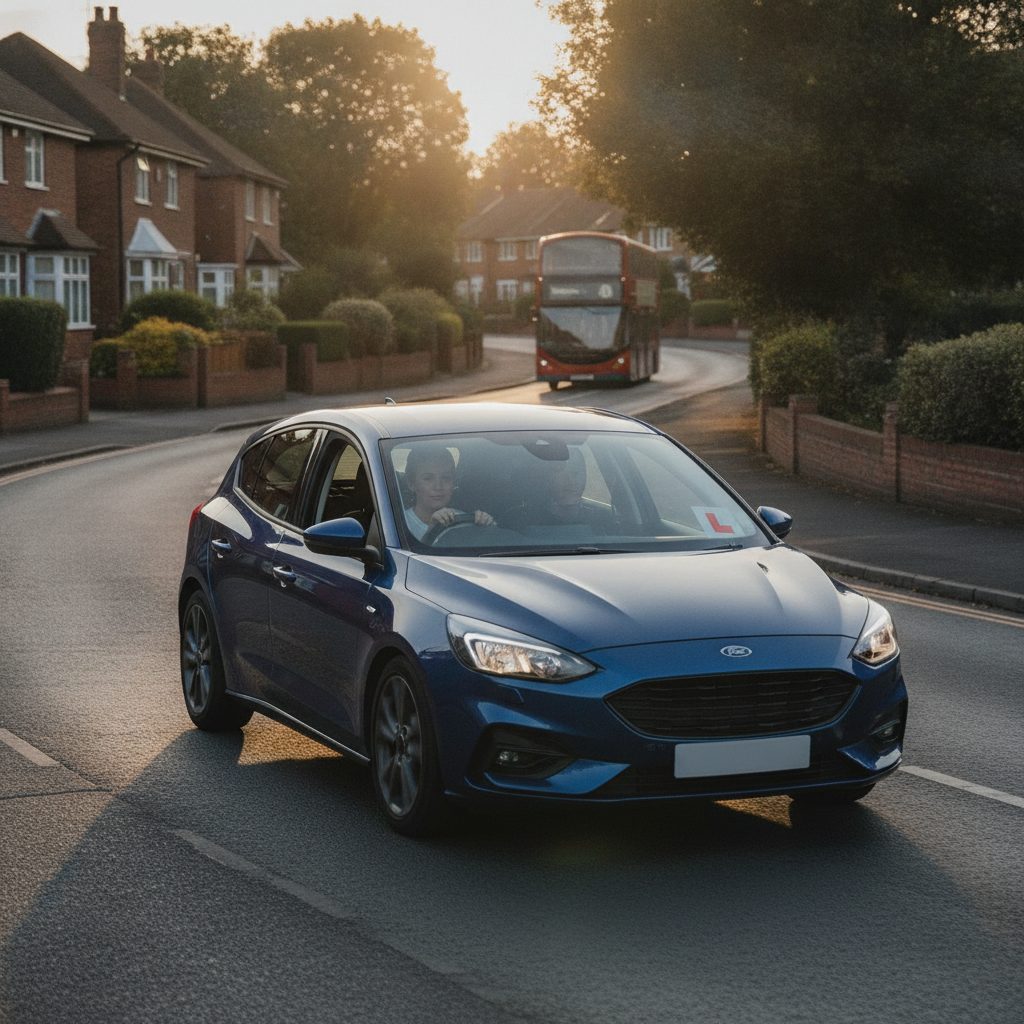
Key criteria for tuition cars
When selecting a vehicle for driving tuition, personal preference must take a back seat to practical business needs. A car that is enjoyable for a weekend drive might be a nightmare for a novice pupil trying to master a parallel park. Visibility is the most critical factor. Large glass areas, thin pillars, and well-positioned wing mirrors help learners build spatial awareness quickly. High-backed sports seats or heavily sloped rear windows can make reversing maneuvers unnecessarily difficult for someone who is already nervous.
The clutch action in manual cars must be forgiving. Some vehicles have a very high, narrow biting point that leads to frequent stalling. A progressive clutch with a wider biting point helps pupils build confidence during their first few lessons. Similarly, light steering at low speeds reduces fatigue for both the pupil and the instructor during long days of reversing practice. Instructors who want to simplify their business operations often use digital tools like Rwapp to manage their lesson diaries and track pupil progress alongside vehicle administration.
Physical size is another major consideration. B-segment superminis are the industry standard for a reason. They are small enough to park easily and fit through tight gaps on housing estates, yet large enough to feel stable on the motorway. A larger family hatchback might offer more cabin room, but it increases the risk of kerbed alloy wheels and scraped bumpers during tight manoeuvres.
Manual versus automatic options
The UK driver training industry is undergoing a significant shift. Historically, manual lessons made up the vast majority of an instructor's diary. However, automatic test passes have risen dramatically over the last decade. As vehicle manufacturers phase out manual gearboxes in favour of mild-hybrid and electric drivetrains, more pupils are actively seeking automatic lessons.
Choosing a manual car keeps your options open. Pupils who pass in a manual can drive both manual and automatic cars, which remains highly appealing to younger drivers on a tight budget. However, teaching in an automatic car is physically less demanding for the instructor. There is no clutch pedal to constantly monitor, and the risk of mechanical wear on the transmission is virtually eliminated. Instructors should assess their local market demographics before deciding which transmission type to offer.
Best petrol and hybrid tuition cars
For instructors who prefer traditional internal combustion engines or self-charging hybrids, several models stand out for their reliability and ease of use.
The Toyota Yaris Hybrid is one of the most popular automatic options on UK roads. It uses a self-charging hybrid system that regularly delivers over 65 mpg in stop-start urban traffic. The electric motor provides smooth acceleration from a standstill, which prevents the jerky starts common with novice drivers. Because it is a hybrid, brake wear is significantly reduced due to regenerative braking, lowering your annual maintenance bills.
The Renault Clio is an excellent choice for manual instructors. The 1.0-litre TCe petrol engine is quiet and highly efficient. The Clio features a remarkably forgiving clutch pedal and a clear, uncluttered dashboard layout. It also offers a higher quality interior than many of its rivals, which makes spending long hours in the cabin far more comfortable.
The Vauxhall Corsa is a staple of UK driving schools. It shares its underpinnings with the Peugeot 208, offering a choice of efficient petrol engines. Parts are incredibly easy to source, and almost every independent garage in the UK is familiar with the vehicle. The controls are light, the dashboard is intuitive, and the seating position offers a great view of the road ahead.
Although discontinued as a new vehicle, the Ford Fiesta remains a dominant force on the used market. If you are looking to buy a second-hand tuition car, a late-model Fiesta with the 1.0-litre EcoBoost engine is highly recommended. It handles beautifully, has excellent visibility, and replacement parts are exceptionally cheap.
Best electric cars for driving instructors
As the UK transitions away from fossil fuels, an increasing number of instructors are choosing battery electric vehicles. Electric vehicles are inherently automatic, making them incredibly easy for pupils to drive. They also eliminate tailpipe emissions and can significantly reduce fuel costs if you can charge at home overnight.
The Peugeot e-208 is a highly attractive electric tuition option. It features a 50 kWh battery that provides a real-world range of around 160 to 190 miles, which is more than enough for a full day of back-to-back lessons. The compact steering wheel and high-mounted instrument cluster allow pupils to keep their eyes on the road, though some shorter drivers find the wheel can block their view of the speed display.
The Hyundai Kona Electric is another superb option. Its slightly raised ride height provides an excellent view of the road, which helps pupils anticipate hazards earlier. The Kona is known for its highly accurate range calculator, meaning you will never be caught short between lessons. Managing the high upfront cost of an electric vehicle requires careful financial tracking, and tools like Rwapp can help you monitor your business outgoings against your weekly lesson income.
Running costs and insurance groups
A tuition car is a tool for generating income, which means running costs are just as important as the purchase price. Fuel economy in urban environments is the primary cost driver. While a car might promise 60 mpg on the motorway, it may only achieve 35 mpg during parallel parking practice. This is where self-charging hybrids and electric vehicles hold a massive financial advantage.
Insurance is another significant expense. Driving school insurance is specialised because it must cover unlicensed learners. Choosing a car in a low insurance group is essential. Most standard tuition cars sit between group 8 and group 15. Avoid top-spec trims with large alloy wheels and low-profile tyres. These tyres are expensive to replace and are highly vulnerable to kerb damage during lessons.
You must also factor in the cost of regular servicing. Tuition cars work hard, often operating under severe conditions with high clutch wear and prolonged idling. Ensuring the vehicle has a manufacturer warranty that covers dual-control use can save thousands of pounds in unexpected repair bills.
Dual control installation and modifications
Before you can use a standard car for professional instruction, it must be fitted with dual controls. The UK industry standard is He-Man dual controls, which use a system of cables or rods to link the passenger footwell pedals to the driver controls. These installations must be carried out by a professional to ensure they are safe and do not interfere with the vehicle's braking or clutch systems.
The cost of fitting dual controls generally ranges from £300 to £500, depending on the make and model of the car. When you sell the vehicle, the dual controls can usually be removed, allowing you to sell the car as a standard passenger vehicle. Some manufacturers offer specialist driving school lease schemes that include dual controls as part of the monthly payment, which can simplify the setup process for new instructors.
Comparison of top tuition models
The table below compares some of the most popular vehicles used by UK driving instructors today, focusing on key metrics that impact your daily business operations.
| Model | Engine Type | Typical Insurance Group | Average Fuel Economy | Best Suited For |
|---|---|---|---|---|
| Toyota Yaris | Petrol Hybrid | 8 to 11 | 60 to 68 mpg | Urban automatic instruction |
| Renault Clio | Petrol / Hybrid | 3 to 9 | 50 to 58 mpg | Manual instruction on a budget |
| Vauxhall Corsa | Petrol | 8 to 12 | 48 to 55 mpg | All-round ease of use |
| Peugeot e-208 | Electric | 26 to 28 | 3.5 to 4.1 miles/kWh | Forward-thinking automatic schools |
Ultimately, the best vehicle is one that fits your local pupil demand and your personal budget. Balancing the higher initial purchase price of a hybrid or electric car against its lower day-to-day running costs will help you make the most profitable decision for your driving school.
Run your whole driving school from your phone.
Get early access