4 Jul 2026 · Roadworthy
How to start a driving school in the UK: a step-by-step guide
Learn how to start a driving school in the UK. This comprehensive guide covers ADI qualifications, vehicle setup, business registration, and marketing.
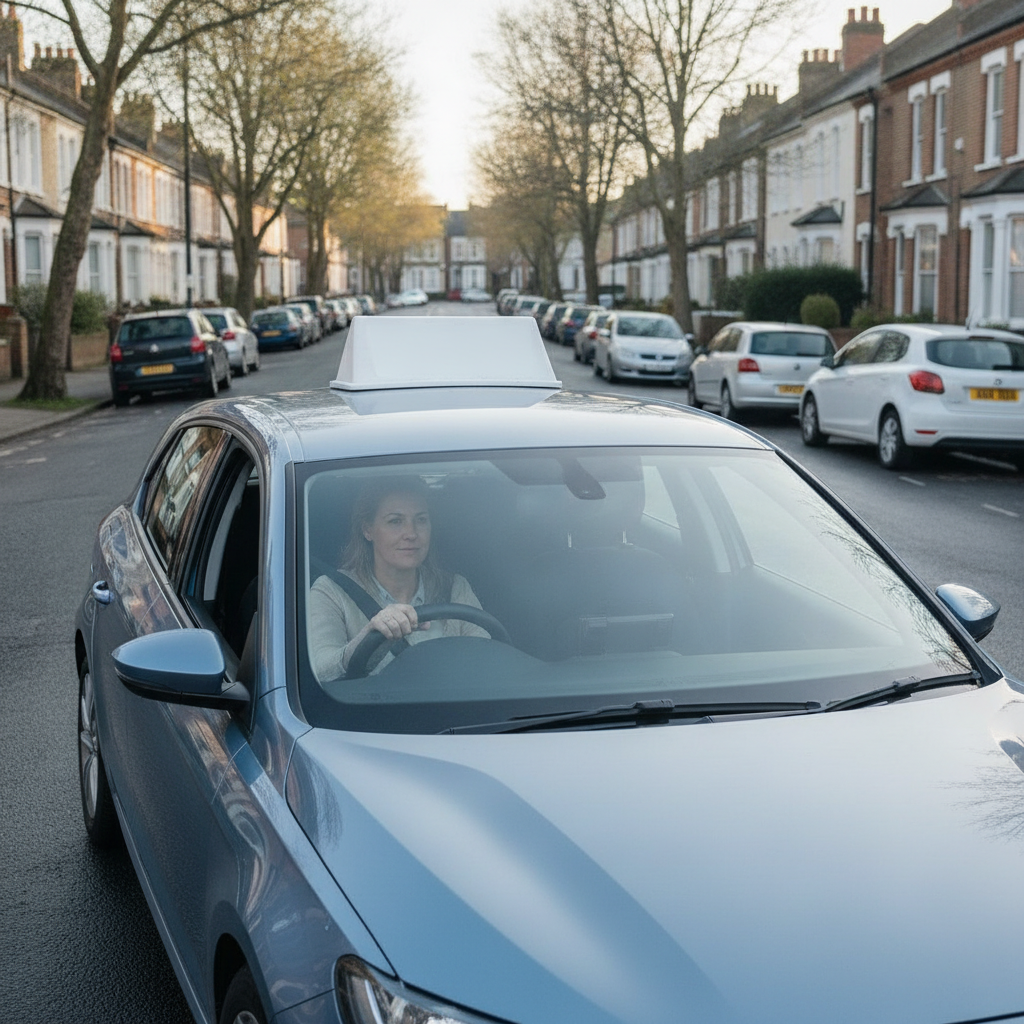
1. Securing your ADI qualification
To legally charge for driving lessons in the UK, you must become an Approved Driving Instructor (ADI). The qualifying process is managed by the Driver and Vehicle Standards Agency (DVSA). It is a demanding route that requires passing three distinct exams. You must also hold a full UK, EU, or EEA driving licence for at least three years and pass a criminal record check before you can begin the application process.
The first stage is the ADI Part 1 test. This is a computer-based exam covering driving theory and hazard perception. You must score at least 85 out of 100 on the multiple-choice questions and 57 out of 75 on the hazard perception element. Preparing for this stage requires thorough study of the Highway Code and instructional theory books.
Part 2 is a test of your practical driving ability. It lasts for approximately one hour and includes an eyesight check, vehicle safety questions, and a demanding driving test. You are allowed a maximum of six driving faults and no serious or dangerous faults. The examiner will expect you to demonstrate an extremely high standard of driving competence and road safety awareness.
Part 3 assesses your instructional ability. A DVSA examiner will watch you give a real, forty-five-minute lesson to a pupil. You will be graded on lesson planning, risk management, and teaching strategies. Many aspiring instructors choose to work on a trainee licence (a pink badge) before taking Part 3. This licence is valid for six months and allows you to gain practical experience while receiving pay from fee-paying students.
2. Choosing your business structure
Before you begin teaching, you must decide how to structure your business. You can operate as an independent school or join an established national franchise. Both paths have clear financial implications and operational differences.
Operating as a sole trader is the simplest business structure. You keep all your profits after tax and have complete control over your working hours. However, you are personally liable for any business debts. You must register with HM Revenue and Customs (HMRC) for Self Assessment and keep detailed records of all your income and expenses.
Setting up a private limited company provides legal separation between your personal assets and the business. This structure is often more tax-efficient once your profits exceed £30,000 to £40,000 per year. It requires more complex annual accounting and registration with Companies House, but it protects you from personal liability if the business faces financial difficulties.
Alternatively, joining a franchise provides a ready-made brand and a supply of pupils. In return, you pay a weekly franchise fee that can range from £50 to £200. This option reduces your marketing burden but limits your independent earning potential and your freedom to set your own lesson rates.
3. Selecting and preparing your vehicle
Your car is your primary business tool. It must be reliable, easy to drive, and fitted with dual controls. The choice between manual and automatic vehicles is an important strategic decision for your business.
Most learners historically preferred to learn in a manual car, but the market for automatic lessons is growing rapidly. Many instructors are now choosing electric or hybrid vehicles to future-proof their business. Automatic cars are easier for pupils to master, which can lead to faster progress and higher satisfaction rates.
Dual controls are essential for safety. These allow you to intervene by operating the clutch and brake from the passenger seat. Fitting dual controls typically costs £200 to £400 depending on the vehicle make and model. You must also install an extra interior mirror for your own use and display L-plates clearly on the front and rear of the vehicle.
You must also secure specialist driving instructor insurance. Standard social, domestic, and pleasure policies do not cover tuition. Your policy must include public liability cover, professional indemnity cover, and dual control replacement car hire. This ensures you can keep working if your primary vehicle is involved in an accident.
4. Calculating your startup costs
Starting any business requires upfront capital. Here is a breakdown of the typical costs you will face when setting up an independent driving school in the UK.
| Expense Item | Estimated Cost | Frequency |
|---|---|---|
| DVSA ADI Theory Test (Part 1) | £80 to £90 | One-off |
| DVSA Practical Test (Part 2) | £110 to £120 | One-off |
| DVSA Instructional Test (Part 3) | £110 to £120 | One-off |
| ADI Registration Badge | £300 to £310 | Every four years |
| Dual Control Installation | £200 to £400 | Per vehicle |
| Specialist Instructor Insurance | £500 to £1,000 | Annually |
| Roof Sign and Branding | £100 to £250 | One-off |
These figures do not include the cost of purchasing or leasing a vehicle. Many instructors choose to lease a car with dual controls already fitted, which can cost £300 to £500 per month. This option often includes maintenance and servicing, which helps you manage your cash flow more predictably.
5. Finding and booking your first pupils
Once qualified and equipped, you need to attract pupils. Local search engine optimisation (SEO) is highly effective for driving instructors because pupils almost always search for instructors in their immediate local area.
Create a free Google Business Profile. Ensure your business name includes your location, such as "Bristol Driving School". Encourage your successful pupils to leave reviews on this profile. Positive reviews are the single most powerful tool for convincing new pupils to book lessons with you.
Social media platforms can also help build your reputation. Short videos showing common driving test mistakes or local test route tips can establish your expertise. You can also print local flyers and distribute them to secondary schools, colleges, and community centres where your target audience gathers.
Using a modern digital booking system is crucial for professional presentation. Platforms like Rwapp allow you to organise your diary and track student progress without the stress of manual paperwork. Having a clear digital system prevents double bookings and ensures you get paid on time, making your business run smoothly from day one.
6. Managing your daily operations and growth
Running a driving school involves more than just sitting in the passenger seat. You must manage your diary, track pupil progress, and maintain your vehicle. Proper administration is key to long-term profitability.
Keep detailed records of each pupil's progress. Tracking their mastery of specific skills, such as parallel parking or roundabout management, helps you plan future lessons efficiently. This transparency builds trust with pupils and their parents, who often fund the lessons.
Setting clear terms and conditions is vital to protect your income. Implement a strict 48-hour cancellation policy to prevent last-minute cancellations from hurting your weekly earnings. Be consistent in enforcing this policy so that pupils respect your time and your schedule.
As your business grows, you might consider hiring other ADIs as franchisees or employees. This allows you to scale your income beyond the hours you can personally teach. By utilising tools like Rwapp, you can easily monitor your business growth and ensure your instructors are working efficiently.
Run your whole driving school from your phone.
Get early access