29 Aug 2026 · Roadworthy
Best Cars to Buy for a Learner Driver in the UK
Wondering what is the best car to buy for a learner driver? Compare running costs, insurance groups, and reliability in our complete UK guide.
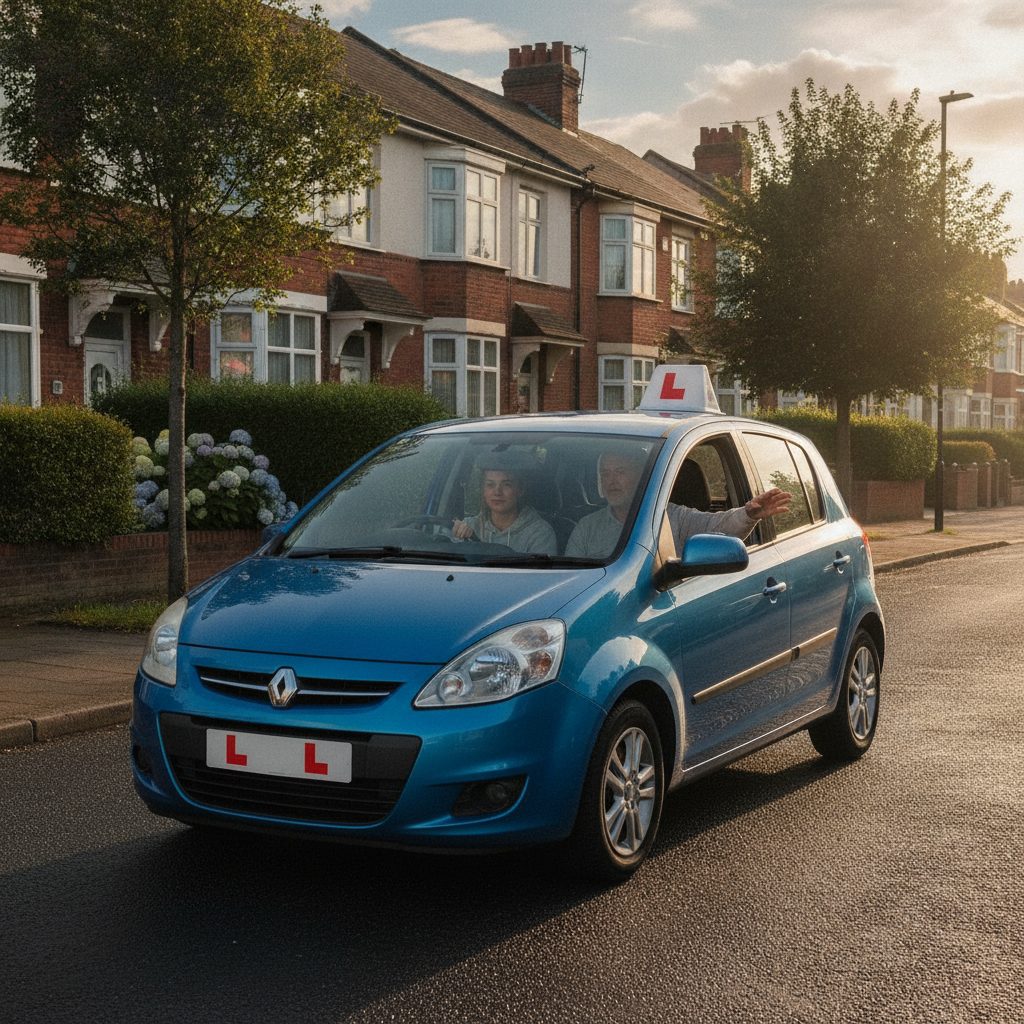
What to look for in a learner car
Buying a car while holding a provisional licence requires a different strategy than buying as an experienced motorist. Your primary priorities are low insurance grouping, tight turning circles, clear visibility, and forgiving clutches. Major cosmetic perfection matters far less than mechanical reliability and cheap replacement parts.
The Association of British Insurers (ABI) categorises every UK passenger car into groups numbered 1 to 50. Group 1 represents the lowest risk and cheapest premiums, whereas group 50 includes high-performance sports cars. For a learner driver, sticking strictly to groups 1 to 5 can save hundreds of pounds on provisional cover, which typically transitions into an even steeper premium once you pass your practical test.
Engine capacity is another factor. Smaller naturally aspirated or mild-turbocharged engines between 1.0 and 1.2 litres offer predictable throttle responses. They discourage excessive speed, lower your road tax band, and use less petrol during stop-start town driving.
Top 5 cars for learner drivers in the UK
The following models have earned strong reputations across driving schools and learner households throughout the country for their balance of safety, running costs, and ease of control.
1. Hyundai i10
The Hyundai i10 is one of the most forgiving city cars on the market. Its light steering and compact dimensions make parallel parking and bay parking straightforward. Clutch engagement on petrol manual models is progressive, which drastically cuts down on stalling during early hill starts. Selected 1.0-litre models sit in insurance group 1 or 2, making annual policies far more reasonable for young drivers.
2. Skoda Fabia
Sharing mechanical underpinnings with the Volkswagen Polo and SEAT Ibiza, the Skoda Fabia delivers solid build quality at a lower purchase price. It provides a slightly larger boot and cabin than typical micro-hatchbacks, making it a sensible choice if you need to carry family or gear. Many 1.0-litre MPI variants qualify for insurance group 2 or 3.
3. Toyota Yaris
If reliability is your chief concern, the Toyota Yaris consistently ranks near the top of UK dependability surveys. Models manufactured from 2012 onwards come equipped with dependable stability control systems and excellent forward visibility. Self-charging hybrid variants are widely available if you plan to take an automatic driving test.
4. Volkswagen Polo
The Polo offers a premium feel without pushing insurance ratings out of reach. While purchase prices on the used market remain higher than its French or Italian rivals, the Polo holds its resale value exceptionally well. Its suspension absorbs potholed town roads with ease, providing a steady, composed ride whether practising in urban centres like Cardiff or cruising on national speed limit dual carriageways.
5. Kia Picanto
With short front and rear overhangs, the Kia Picanto gives learners an unobstructed view of their surroundings. Kerbing wheels during reverse parking manoeuvres is difficult because the rear wheels sit almost right at the back bumper. Kia also includes a transferable seven-year factory warranty, meaning many sub-£6,000 used models still carry manufacturer cover.
Learner car comparison table
Here is how the top choices compare across key metrics that matter to learner drivers in the UK.
| Model | Typical Insurance Group | Recommended Engine | Average Used Price (Good Condition) | Euro NCAP Rating |
|---|---|---|---|---|
| Hyundai i10 (2014 to 2019) | 1 to 4 | 1.0L MPI Petrol | £4,000 to £6,500 | 4 Stars |
| Skoda Fabia (2015 to 2021) | 2 to 4 | 1.0L MPI / TSI | £4,500 to £7,500 | 5 Stars |
| Toyota Yaris (2014 to 2020) | 3 to 8 | 1.33L Dual VVT-i / 1.5L Hybrid | £5,000 to £8,500 | 5 Stars |
| Volkswagen Polo (2014 to 2018) | 3 to 9 | 1.0L / 1.2L TSI | £5,500 to £9,000 | 5 Stars |
| Kia Picanto (2015 to 2020) | 1 to 5 | 1.0L DPi Petrol | £4,200 to £7,000 | 4 Stars |
Manual vs automatic: which should you buy?
Choosing your transmission type dictates what licence category you receive after passing the DVSA practical test. Passing in a manual car grants you a full Category B licence, letting you drive both manual and automatic vehicles. Passing in an automatic restricts your licence to automatic cars only.
Manual cars remain significantly cheaper to purchase on the UK second-hand market. Replacement gearboxes and clutches are affordable and straightforward for local independent garages to repair. However, if you find managing gears and clutch bite points stressful, learning in an automatic allows you to focus purely on road observations, lane positioning, and signs.
If you live or practise in hilly terrain such as Carlisle or coastal towns like Scarborough, consider looking for a manual model fitted with Hill Start Assist. This feature holds the brake pressure for two to three seconds as your foot moves to the accelerator, preventing rollbacks.
Technology and safety features that help learners
Modern driving tests include a 20-minute independent driving segment where candidates follow directions from a satellite navigation unit or traffic signs. Choosing a car equipped with practical technology helps you prepare for real-world driving conditions.
- Smartphone Integration: Having access to Apple CarPlay or Android Auto mirrors familiar navigation apps onto the dashboard screen. This keeps your route clear without mounting suction brackets to your windscreen.
- Rear Parking Sensors: Ultrasonic audible sensors give you early warnings as you approach obstacles, helping you judge distances accurately when mastering reverse parking.
- Speed Limit Warning Systems: Visual prompts on the instrument cluster inform you of changing speed limits, which prevents accidental speeding during practice runs.
- Autonomous Emergency Braking (AEB): Standard on many hatchbacks built after 2016, AEB detects stopped vehicles ahead and applies brakes if the driver fails to react quickly enough.
Pre-purchase checklist for used learner cars
Before handing over any payment for a used car, conduct a thorough inspection in broad daylight. Bring an experienced driver or mechanic with you if possible.
- MOT History: Check the online DVLA MOT history tool for recurring advisories regarding rust, suspension bushes, or tyre degradation. Avoid cars with histories of major structural corrosion.
- Clutch Wear: Start the engine, apply the handbrake, engage third gear, and gently release the clutch pedal. If the engine fails to stall promptly, the clutch is slipping and will soon require replacement.
- Tyre Condition: Inspect tyre tread depths across all four wheels. Legal minimum depth in the UK is 1.6 mm across the central three-quarters of the tyre. Uneven wear patterns suggest steering misalignment.
- Service Book Stamps: Verify regular engine oil and filter changes. Small petrol engines depend heavily on clean oil to protect timing chains and valves.
- V5C Logbook: Ensure the VIN on the documentation matches the stamped plate on the chassis and windscreen base. Check that the seller is registered at the collection address.
Run your whole driving school from your phone.
Get early access