17 Aug 2026 · Roadworthy
Can Your Driving Instructor Teach You in Your Own Car?
Can my driving instructor take me out in my car? Discover the legal rules, insurance criteria, and vehicle checks you need before booking private lessons.
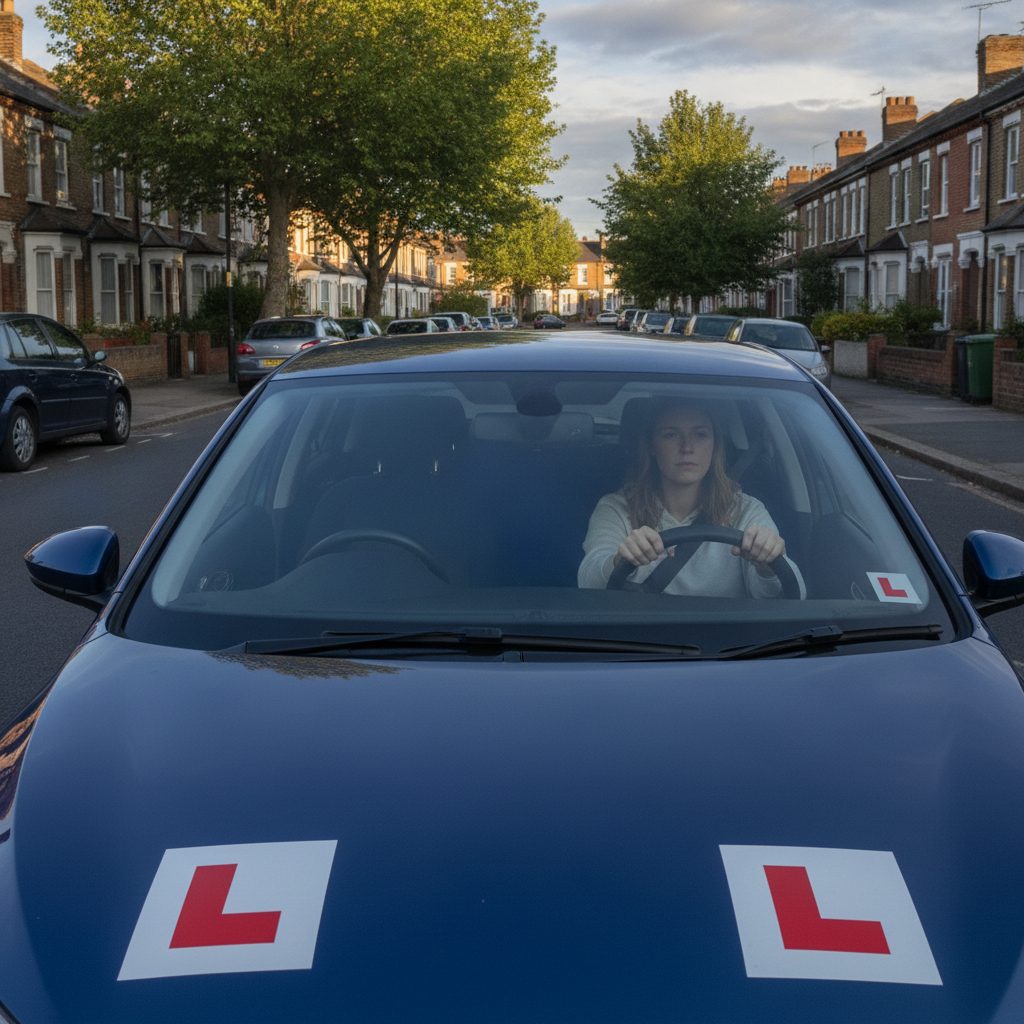
The legal rules for learning in your own car
Under UK driving regulations, you are entirely within your rights to hire an Approved Driving Instructor (ADI) or a trainee instructor (PDI) to teach you behind the wheel of your own car. The Driver and Vehicle Standards Agency (DVSA) does not mandate that commercial lessons must occur in a dual-controlled vehicle. As long as the vehicle is taxed, possesses a valid MOT certificate, and is fully insured for paid tuition, the training is legal on public roads.
To keep the lesson above board, you must hold a valid UK provisional driving licence. The instructor must display their official green ADI badge or pink PDI trainee badge in the windscreen. When you compare local professionals through Rwapp, you can verify that instructors hold current credentials before requesting lessons in a private vehicle.
Why some instructors agree while others refuse
Even though the practice is legal, many instructors choose not to teach in learner-owned cars. Safety sits at the heart of this choice. In an instructor's car, dual pedals allow the professional to intervene instantly if a dangerous situation develops at a junction or pedestrian crossing. In your car, they only have access to the handbrake and steering wheel, which severely limits their ability to prevent a collision.
Most instructors who permit private car tuition set strict boundaries. They may require you to complete initial training in their dual-control car first so they can evaluate your road sense, clutch management, and emergency response. If you are learning with an instructor around coastal routes in Plymouth or urban centres in Southampton, managing hills and tight traffic without dual pedals demands a solid baseline of vehicle control.
Instructors might agree to use your car if you have already reached test standard and simply want to get used to the dimensions, clutch bite point, and dashboard layout of the car you will drive after passing. Nervous pupils switching from manual to automatic vehicles or drivers adapting to specialist disability adaptations frequently find this arrangement beneficial.
Insurance requirements for private tuition
Insurance is the most common hurdle when arranging lessons in a personal car. Standard learner driver policies usually cover informal supervision from family members or friends who meet the age and licence criteria. However, standard learner cover often excludes commercial instruction where money changes hands.
You must establish whether your instructor's professional indemnity and commercial motor insurance covers them to teach inside third-party vehicles, or whether your own learner policy permits paid tuition. If your policy explicitly excludes professional instruction, an accident during a paid lesson could result in a voided claim, leaving you personally liable for damages and facing penalty points for driving without valid insurance.
Contact your insurer directly before booking your first session. State clearly that you plan to pay a qualified ADI for in-car training. Request written confirmation that paid professional instruction is covered under your current policy schedule.
Vehicle standards and mandatory equipment
Your vehicle must satisfy strict roadworthiness standards before an instructor or examiner will get inside. A mechanical breakdown or safety defect during a lesson wastes your money and puts both occupants at risk.
- L plates: You must display red L plates (or D plates in Wales) securely on the front and rear of the vehicle. They must not obstruct your view through the windscreen or rear window.
- Extra interior rear-view mirror: The supervising instructor must have a clear view behind the car. You can buy an inexpensive suction-mounted secondary mirror and fit it to the passenger side of the windscreen.
- Tyres and mechanics: All tyres must meet the legal minimum tread depth of 1.6mm across the central three-quarters of the tyre. Steering, brakes, seatbelts, and headlights must function without fault.
- Warning lights: The dashboard must be clear of critical warning lights, particularly the airbag (SRS) and ABS warning lights. An instructor will decline to teach in a car with active safety warnings.
- Cleanliness and visibility: The car must be clean and free of unnecessary clutter in the footwells and door pockets. Windows must be clean inside and out to maintain full visibility.
Instructor dual-control car versus your own vehicle
Deciding whether to book an instructor's car or use your own depends on your confidence, budget, and learning phase. The table below outlines how the two options compare across key practical criteria.
| Feature | Instructor Dual-Control Car | Your Own Private Car |
|---|---|---|
| Emergency dual controls | Yes, fitted as standard | No, instructor has no foot pedals |
| Insurance responsibility | Fully covered by instructor policy | Learner must arrange and verify policy |
| Wear and tear on clutch/tyres | Borne by the driving school | Borne entirely by the car owner |
| Familiarity on test day | Good, but requires adjusting after passing | High, you continue driving the exact same car |
| Early-stage learning safety | Very high due to instructor intervention | Lower, requires existing basic competence |
How lesson fees work in a private car
Learners often assume that providing the vehicle will result in a substantial discount on hourly rates. In reality, most instructors charge their standard hourly fee, usually between £30 to £45 per hour depending on your local region. If you learn in busy areas like Bournemouth, driving instructor hourly rates reflect the professional's time, expertise, and operational overheads rather than solely vehicle running costs.
While you supply the petrol, the instructor's business overheads remain largely identical. They must still travel to your location, maintain their ADI registration, pay for professional associations, and carry liability coverage. Some instructors may reduce the rate by £2 to £5 per hour to account for fuel savings, but you should not expect deep price cuts.
Using your own car on test day
If you complete your lessons in your own car, you can also use it for your DVSA practical driving test. The driving test centre examiners follow rigorous rules regarding private cars. If your vehicle fails their inspection on arrival, the examiner will cancel the test and you will lose your booking fee.
Ensure the passenger seatbelt operates smoothly, the passenger head restraint is fitted and intact, and the speedometer records speed in miles per hour. The car must be completely smoke-free. Electronic handbrakes are allowed if they function correctly.
Certain vehicle models are banned by the DVSA for practical tests due to poor rear visibility or known safety recall issues. For example, cars such as the Mini Convertible, Ford KA Convertible, Volkswagen Beetle Cabriolet, and Toyota iQ cannot be used on practical driving tests. Check the DVSA vehicle restriction list well in advance of your test appointment.
Run your whole driving school from your phone.
Get early access