16 Aug 2026 · Roadworthy
Can you be a freelance driving instructor?
Can you be a freelance driving instructor in the UK? Discover the legal rules, real startup costs, and how to run your own driving school.
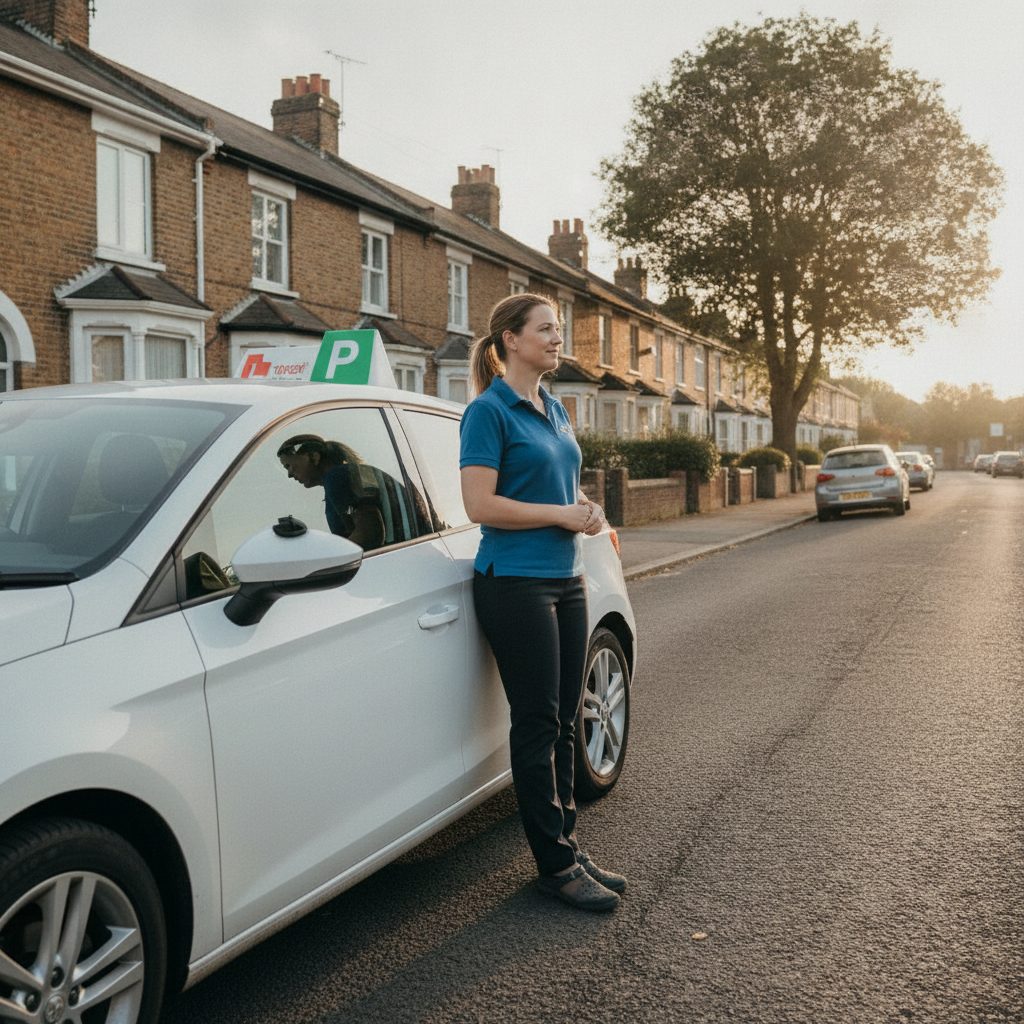
What it means to be a freelance driving instructor
Working as a freelance driving instructor means operating your own independent driving school. You set your own hourly rates, choose the days and hours you teach, and select the tuition vehicle you want to drive. You do not pay a weekly fee to a national agency, nor do you carry another company's branding on your roof.
Most driving instructors in the UK are self-employed, even those operating within a franchise model. The distinction lies in whether you trade under your own brand or pay an umbrella organisation for marketing, vehicle leasing, and pupil leads. Operating independently gives you complete operational control, though you must handle all administrative duties yourself.
As an independent instructor, your earnings directly reflect your working hours and lesson prices. You keep every pound a pupil pays you after basic vehicle running costs and taxes are settled.
Legal requirements and qualification steps
You cannot charge for driving lessons in the UK without passing the qualifying examinations set by the Driver and Vehicle Standards Agency (DVSA). It is illegal to take payment or receive any reward for driving instruction unless you are on the register of Approved Driving Instructors or hold a valid trainee licence.
To qualify as a fully registered freelance ADI, you must pass three distinct exams:
- ADI Part 1: A theory and hazard perception test covering road safety, teaching methodology, and the Highway Code.
- ADI Part 2: A practical driving ability assessment testing your own vehicle handling across complex road layouts.
- ADI Part 3: An instructional ability test evaluating how effectively you teach a pupil and manage risk in real time.
Trainee instructors holding a potential driving instructor (PDI) badge can also instruct for payment under a trainee licence. However, trainee licences require supervision by an established ADI or franchise network. Therefore, running a completely independent freelance business usually begins once you pass Part 3 and receive your green ADI badge.
Startup costs and overheads
Setting up as an independent instructor requires upfront capital and regular cash flow management. Because you do not have a parent company supplying equipment, every asset must be sourced independently.
Your primary expense is a dual-control vehicle. You can lease a tuition car from specialist firms or purchase your own vehicle and have dual controls installed by an accredited fitter. Installing dual controls typically costs £300 to £600 depending on the vehicle make and model.
Insurance is another vital investment. Standard private car policies do not cover paid driver training. You must purchase specialist dual-control driving tuition insurance, which includes hire-and-reward coverage alongside public liability protection. Annual insurance policies generally range from £800 to £2,500 based on your location, age, and claims history.
Additional initial costs include roof signs, magnetic door badges, a dashcam system, and lesson recording software. You must also budget for ongoing fuel, maintenance, tyres, and annual MOT tests.
Independent vs franchise comparison
Deciding between an independent setup and joining a franchise network comes down to how much administrative work you want to handle versus how much profit you want to retain.
| Factor | Freelance / Independent | Franchise Network |
|---|---|---|
| Weekly Franchise Fee | £0 | £60 to £300+ per week |
| Pupil Generation | You must find all pupils yourself | Company provides initial pupil leads |
| Branding Control | 100% custom branding and name | Strict adherence to corporate identity |
| Lesson Pricing | You set any rate you choose | Often constrained by network rates |
| Tuition Vehicle | Source, lease, or buy your own | Often supplied or arranged in the contract |
| Admin & Bookkeeping | Handled entirely by you | Some basic office support provided |
Instructors who prefer not to manage marketing often start with a franchise before launching their own independent brand. Others launch straight into independent trading to avoid weekly overheads.
Finding pupils in your local area
The main challenge of running a freelance driving school is maintaining a full diary. National chains rely on massive television and digital ad budgets, but local learners tend to search for highly rated local instructors in specific towns.
Learners in competitive urban and suburban markets look for clear availability and local pass records. An instructor managing learners across driving schools in Bath faces different parking and hill-start requirements than an instructor covering driving schools in Hull. Tailoring your teaching territory to your nearest test centres keeps your travelling time manageable.
To secure a steady stream of pupils without high marketing spend, focus on these channels:
- Local SEO and Google Business Profile: Register your business location so local searchers see your contact details and reviews when searching for driving lessons.
- Social Media and Pass Photos: Post photos celebrating successful practical test passes. Friends and family of the learner frequently ask for your contact number.
- Word-of-Mouth Recommendations: Deliver clear, patient lessons. Sibling referrals and school playground recommendations remain the strongest marketing channels for independent instructors.
- Directories and Local Platforms: List your business on targeted regional directories such as driving schools in Bury or driving schools in Sale to catch direct local web traffic.
Setting up your business and tax structure
Operating as a freelance instructor means registering with HM Revenue & Customs (HMRC). Most independent instructors trade as sole traders, though some choose to incorporate a limited company.
As a sole trader, you must register for Self Assessment and submit an annual tax return. You are responsible for paying Class 2 and Class 4 National Insurance contributions alongside Income Tax on your net business profits.
Keep accurate records of all allowable business expenses throughout the tax year. Allowable expenses reduce your taxable profit and include:
- Fuel and charging costs directly related to business mileage
- Dual-control vehicle lease payments or capital allowances
- Tuition vehicle insurance and breakdown cover
- DVSA registration fees and check test training
- Accountancy software, telephone bills, and marketing assets
Using digital accounting software from day one simplifies your financial records. You can log lesson fees, track unpaid invoices, and calculate your tax liabilities well before the statutory submission deadlines.
Run your whole driving school from your phone.
Get early access